

The journey of creating a culinary masterpiece begins long before the first morsel of food graces the pan and extends well past the last satisfied bite. It is a voyage that encompasses the entire kitchen ecosystem, from meticulous preparation to the final cleanup. In this captivating world of culinary excellence, each step must be navigated with precision and care to craft meals that linger in memory. Within the confines of the kitchen, the attention given to every detail, no matter how small, contributes to the overall success of the dish.
This article aims to illuminate the path through which culinary artistry is achieved, offering a comprehensive guide filled with invaluable insights. We will explore the essential practices that form the backbone of a well-orchestrated cooking process, delve into cutting-edge technology that revolutionizes meal production, and uncover innovations that take the quality of food to soaring heights at every stage of its creation.
Whether you are an aspiring chef or an enthusiastic home cook, understanding these elements of the culinary world will empower you to elevate your cooking from mere sustenance to unforgettable dining experiences. Prepare yourself to embark on an enlightening tour through the modern kitchen landscape, where traditional techniques meet modern advancements in an impressive fusion designed to inspire and improve culinary outcomes.
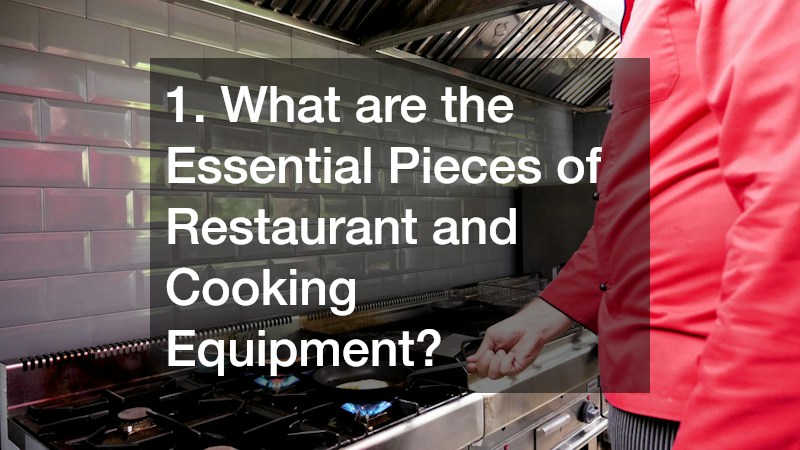
1. What are the Essential Pieces of Restaurant and Cooking Equipment?
a. Cooking Appliances
The right cooking appliances are the backbone of any successful restaurant kitchen. From ovens to grills, the choice of tools significantly influences the efficiency and quality of food preparation. Investing in technologically advanced restaurant equipment can streamline operations and improve meal consistency.
b. Refrigeration Units
Refrigeration units serve as critical components for preserving ingredients and reducing food waste. A well-maintained refrigeration system ensures that perishable items retain their freshness and safety. Restaurant equipment upgrades often focus on improving energy efficiency and storage capabilities.
c. Food Prep Tools
Efficient food prep tools such as knives, slicers, and mixers are indispensable in any kitchen. These tools not only enhance precision and speed but also contribute to maintaining high hygiene standards. Investing in quality prep tools as part of your restaurant equipment can transform meal preparation into a more manageable task.
2. How Should Old Cooking Oil Be Managed?
a. Collection and Storage
Proper collection and storage of used cooking oil are vital for maintaining a clean and organized kitchen. Inefficient handling can lead to unpleasant odors and potential safety hazards. Designating a specific area for oil collection reduces spills and contamination.
b. Utilizing Cooking Oil Disposal Services
Cooking oil disposal services offer a convenient solution for managing used oils in compliance with environmental standards. Partnering with these services can help streamline disposal processes and reduce environmental impact. Efficient oil management also supports eco-friendly practices.
c. Environmentally Friendly Practices
Transitioning to environmentally friendly practices also entails recycling or repurposing used cooking oil. Some establishments convert their waste oil into biofuels, contributing to sustainable energy solutions. These initiatives are part of a broader commitment to reduce carbon footprints.
3. How Can You Incorporate Mexican Flavor into Your Menu?
a. Key Ingredients and Spices
Mexican food is celebrated for its bold flavors, often achieved through a blend of spices and fresh ingredients. From chiles to cilantro, incorporating these elements can elevate a dish’s authenticity and taste. Understanding the culinary traditions behind these ingredients is essential for menu development.
b. Authentic Cooking Techniques
Adopting authentic Mexican cooking techniques, such as slow cooking and grilling, enhances the richness of the cuisine. These methods, combined with the right tools, help unlock the full potential of each ingredient. Embracing traditional practices can differentiate your restaurant’s offerings.
c. Popular Dishes to Try
Introducing well-loved dishes like tacos and enchiladas can attract new customers and boost menu variety. These popular items not only reflect Mexican food culture but also enhance a menu’s appeal. Experimenting with innovative twists on traditional recipes ensures ongoing customer interest.
4. How to Choose the Right Restaurant Supply Company?

a. Evaluating Product Range
When it comes to picking the perfect restaurant supply store, one of the first things you’ll want to evaluate is the product range. A store that offers an extensive selection of goods allows you the flexibility to customize your inventory according to the precise needs and preferences of your kitchen. Whether you’re looking for specialty items that serve a niche function or basic supplies used in everyday operations, having access to a diverse array of products ensures that you can address all aspects of your culinary processes without having to settle for less. With a variety of choices at your disposal, it becomes easier to keep your kitchen well-equipped, functional, and aligned with your restaurant’s unique demands, facilitating a smoother, more efficient workflow.
b. Considering Cost and Quality
Another key aspect of selecting the right restaurant supply store revolves around finding the ideal balance between cost and quality. This delicate equilibrium is indispensable for making informed purchasing decisions that benefit your business in the long run. By opting for stores that not only offer competitive prices but also guarantee high-quality products, you ensure that your restaurant can operate effectively without sacrificing standards. It’s crucial to seek out a store where reliability isn’t just a promise, but a cornerstone of their service. Such establishments contribute to sustaining long-term satisfaction, prevent unnecessary replacements and repairs, and ultimately uphold operational efficiency, allowing your business to flourish.
c. Customer Service and Support
The level of customer service and support provided by a restaurant supply store can profoundly impact the daily operations of your business. Exceptional service isn’t merely a nicety; it’s a significant contributor to maintaining streamlined operations. A supply store that prides itself on its commitment to customer satisfaction often goes above and beyond by offering timely assistance and comprehensive product education. These features can prove invaluable as they help bridge gaps in your knowledge, assist in making more informed choices, and ensure you feel supported every step of the way. Establishing a strong partnership with a responsive, customer-centric store can enhance your purchasing experiences, reduce operational hiccups, and strengthen the overall relationship between your restaurant and the supplier.
5. How to Improve Operations in a Pizza Store?
a. Optimizing the Kitchen Layout
An optimized kitchen layout is crucial for a bustling pizza shop environment. Efficient positioning of workstations improves workflow and minimizes cooking times. This layout should be designed to accommodate high-volume production seamlessly.
b. Innovations in Pizza Cooking Equipment
Investing in innovative pizza cooking equipment transforms production capabilities and quality. Modern ovens and preparation devices enhance flavor profiles and reduce energy consumption. Embracing technology benefits both the culinary team and the customer base.
c. Effective Ingredient Management
Effective ingredient management is vital for ensuring the quality and consistency of pizza offerings. Implementing systematic inventory and storage solutions minimizes wastage and optimizes freshness. This approach simultaneously supports cost-efficiency and sustainability.
6. What are Best Practices for Working with Caterers?

a. Collaboration and Planning
Effective communication with a food caterer is key to delivering a seamless dining experience. Thorough planning and setting clear expectations can prevent misunderstandings and ensure event success. Building strong partnerships improves service quality and reliability.
b. Venue Setup and Cleanliness
Attention to venue setup and cleanliness reflects a caterer’s professionalism and enhances the dining atmosphere. Meticulous attention to detail, from table arrangements to cleanliness, elevates guest satisfaction. Specialized catering equipment can contribute to a polished presentation.
c. Feedback and Continuous Improvement
Obtaining feedback from clients provides useful insights for continuous improvement. Analyzing constructive criticism helps caterers refine their services and adapt to changing market demands. Aiming for excellence ensures long-term customer loyalty and brand recognition.
7. How Does RO Improve Water Quality in Food Establishments?
a. Understanding Reverse Osmosis Technology
Reverse osmosis is a filtration process that removes impurities from water, enhancing its taste and safety. This technology is particularly valuable in food establishments where high-quality water is a priority. Implementing reverse osmosis systems can improve food and beverage standards.
b. Benefits Over Traditional Filtration
Compared to traditional filtration, reverse osmosis offers more efficient and thorough purification. This advanced method effectively reduces contaminants and extends equipment lifespan. The overall benefits contribute to higher operational standards in culinary settings.
c. Applications in the Culinary World
The culinary world benefits greatly from the use of reverse osmosis, from enhancing soup stocks to maximizing beverage quality. Its application spans different cuisines and contributes to the overall dining experience. Establishments adopting this technology demonstrate a commitment to excellence.
8. Why Is Water Filtration Important for Restaurants?
a. Impact on Taste and Quality of Food
Water filtration systems play a crucial role in preserving the integrity of ingredients and the flavor of dishes. Poor water quality can compromise taste, as residual impurities may alter food composition. Harnessing effective water filtration maintains meal authenticity and appeal.
b. Maintaining Equipment Performance
Besides enhancing taste, water filtration systems help maintain the performance and longevity of kitchen equipment. Filtering out minerals prevents scaling and buildup, leading to reduced maintenance costs. This operational advantage underscores the essential role of filtration.
c. Health and Safety Benefits
Implementing water filtration systems enhances health and safety by reducing harmful contaminants. This preventative approach aligns with strict regulatory standards and boosts customer trust. Ensuring clean water aligns with overarching quality assurance goals.
9. What Should a Kitchen Remodel Include?

a. Designing for Functionality
A successful custom kitchen remodel prioritizes functionality to maximize efficiency and workflow. Thoughtful layout designs should cater to specific cooking requirements and enhance accessibility. Achieving an optimal balance between aesthetics and practicality is paramount.
b. Selecting Durable Materials
Choosing durable materials during a kitchen remodel ensures long-lasting quality and safety. Prioritizing resistance to heat, stain, and wear means selecting surfaces like stainless steel or stone. Durability aligns with maintaining an inviting and professional kitchen environment.
c. Integrating Technological Advances
Technological advances such as smart appliances can substantially elevate a kitchen’s functionality. These innovations support energy-saving, time-efficiency, and precision cooking. Embracing these tools illustrates a modern approach to culinary arts.
10. How Can You Make Food Prep and Cleanup Efficient?
a. Time-saving Techniques
Implementing time-saving techniques is key to reducing food prep duration without compromising quality. Streamlining tasks with pre-prepped ingredients and portioned servings accelerates the process. Maximizing efficiency amplifies productivity and ensures timely meal service.
b. Effective Use of Space
Effective space utilization in the kitchen minimizes clutter and increases maneuverability. Ensuring that utensils and equipment are strategically placed optimizes foot traffic and workflow. Custom kitchen remodels often focus on these elements to enhance work conditions.
c. Best Cleaning Practices
Adhering to best cleaning practices preserves sanitation and supports health and safety compliance. Regularly sanitizing surfaces, equipment, and utensils maintains an immaculate environment. Implementing these practices assures food quality and customer confidence.
The journey from food preparation to cleanup is an intricate and multifaceted process that plays a critical role in achieving and maintaining culinary excellence. This journey begins with the very first step: the strategic choice of restaurant equipment. Selecting the right equipment is crucial because it forms the backbone of efficient and effective food preparation. Whether it’s state-of-the-art ovens and stoves, precision cutting tools, or high-capacity refrigerators, the equipment must meet the specific needs of the culinary team and the demands of the restaurant’s menu. Quality equipment enhances the cooking process, ensuring that dishes are prepared not only quickly but also to an exceptional standard.
Beyond the initial preparation, adopting efficient cleaning methods is an equally important component of the culinary journey. Efficient cleaning strategies help maintain hygiene and safety standards in the kitchen, thus protecting both patrons and staff. It’s about more than just wiping down surfaces; it’s a comprehensive approach that includes proper sanitation of utensils, workspaces, and cookware. By implementing eco-friendly cleaning products and practices, establishments can reduce their environmental footprint while ensuring thorough cleanliness.
Each element in this journey holds significant importance, working together like finely tuned gears in a machine to produce exceptional gastronomical experiences. Today, with the emergence of advanced practices, there are numerous opportunities for culinary businesses to refine their operations. Incorporating sustainable solutions, such as energy-efficient appliances or waste reduction programs, not only benefits the environment but also enhances the reputation of the establishment as a forward-thinking and responsible entity.
Ultimately, by integrating these innovative practices and engaging in continual improvement, restaurants can achieve impressive and consistent food quality outcomes. This commitment to excellence not only satisfies customers but also fosters a culture of pride and precision within the culinary team, thus ensuring long-term success in the highly competitive food industry landscape.